Traditional search engines no longer dominate the digital landscape. Users now converse with interfaces. Questions go to Perplexity for summaries, ChatGPT for recommendations, and Google SGE for quick answers.
Generative Engine Optimisation (GEO) strategies are often discussed at a high level. Few marketers understand the code-level requirements required to execute them.

Websites that are visually stunning but technically invisible to AI scrapers will lose visibility. Ulement explored this disconnect in our deep dive: The Hidden Flaw: Why “Beautiful” Websites Are Mispositioned in the Eye of AI.
The following guide serves as a technical manual. The content moves beyond theory to specific HTML structures, llms.txtprotocols, and Schema standards. These elements ensure your brand becomes the cited source in the age of generative AI.
The “Atomic” Content Structure for AI Retrieval
Large Language Models (LLMs) ingest content in “tokens” rather than reading pages linearly like humans. These models look for high-probability answers to specific queries. LLM Optimisation requires modular content, a method we call Atomic Content Design.
The “Direct Answer” Block
LLMs prioritize content that succinctly answers a user’s intent.
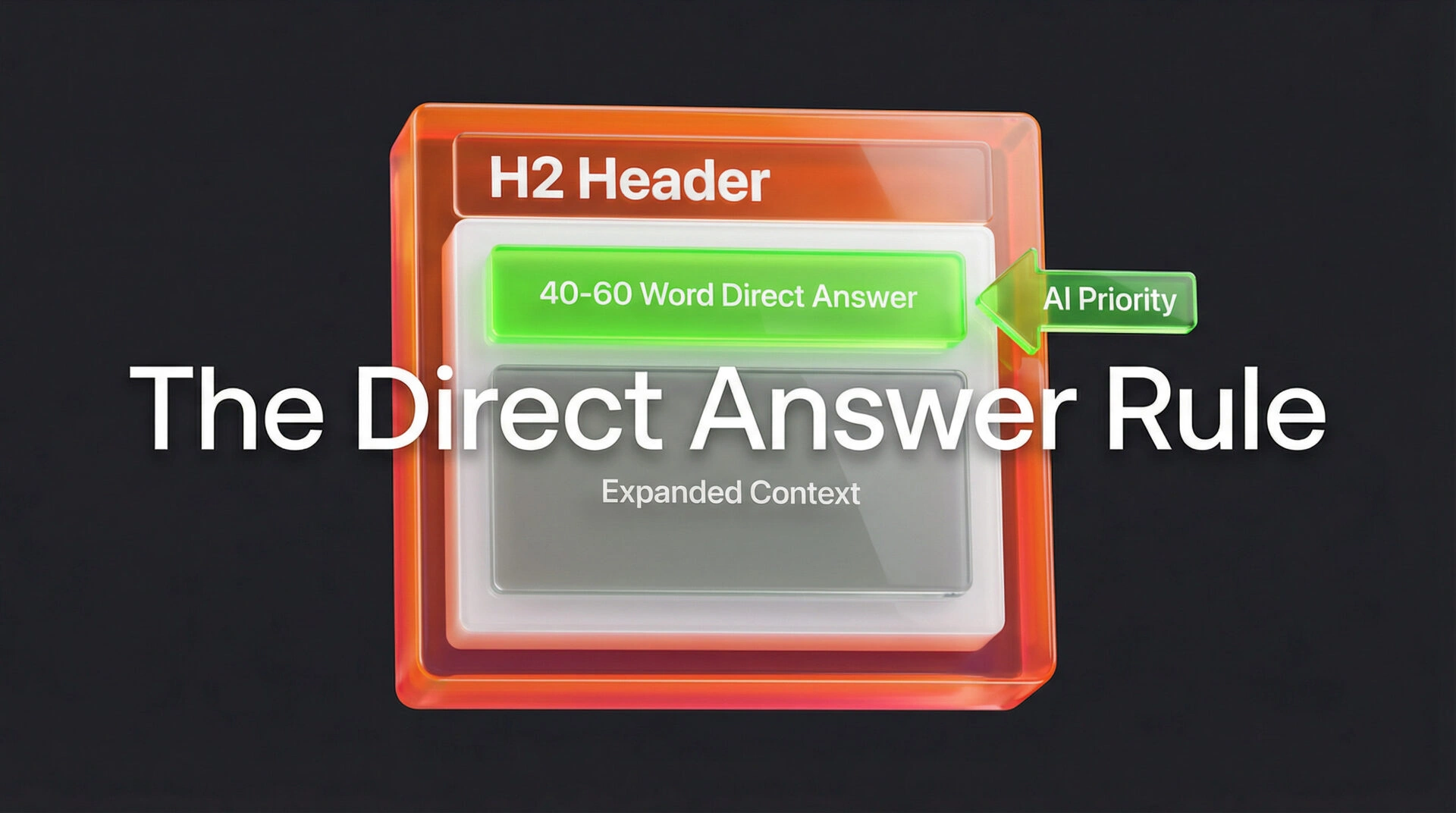
LLM Optimisation requires placing a 40–60 word direct answer immediately after every H2 header. The text must avoid introductory fluff and state the core value immediately. A direct answer structure increases the probability of extraction by RAG (Retrieval-Augmented Generation) systems used by ChatGPT, Perplexity, and Google SGE.
Use Logical Hierarchy as Context Markers
AI agents use HTML heading tags (H1–H6) to understand the relationship between concepts.
- Visuals: Do not use headers just for font sizing.
- Hierarchy: Use headers to define parent-child relationships. An H3 nested under an H2 tells the bot that the concept belongs to the parent topic. RAG systems rely on this context to pull the correct snippet.
Data Tables for Extraction
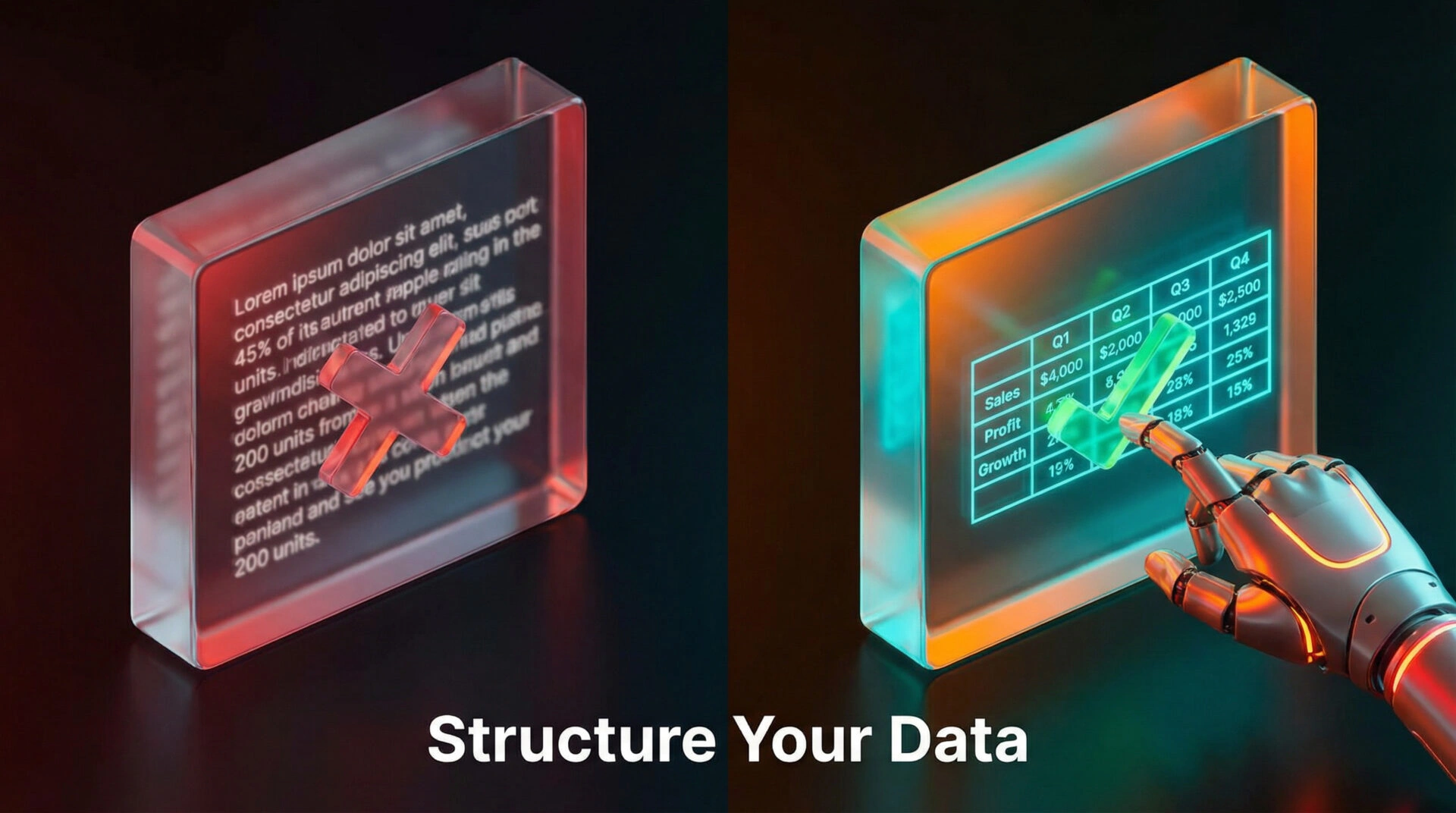
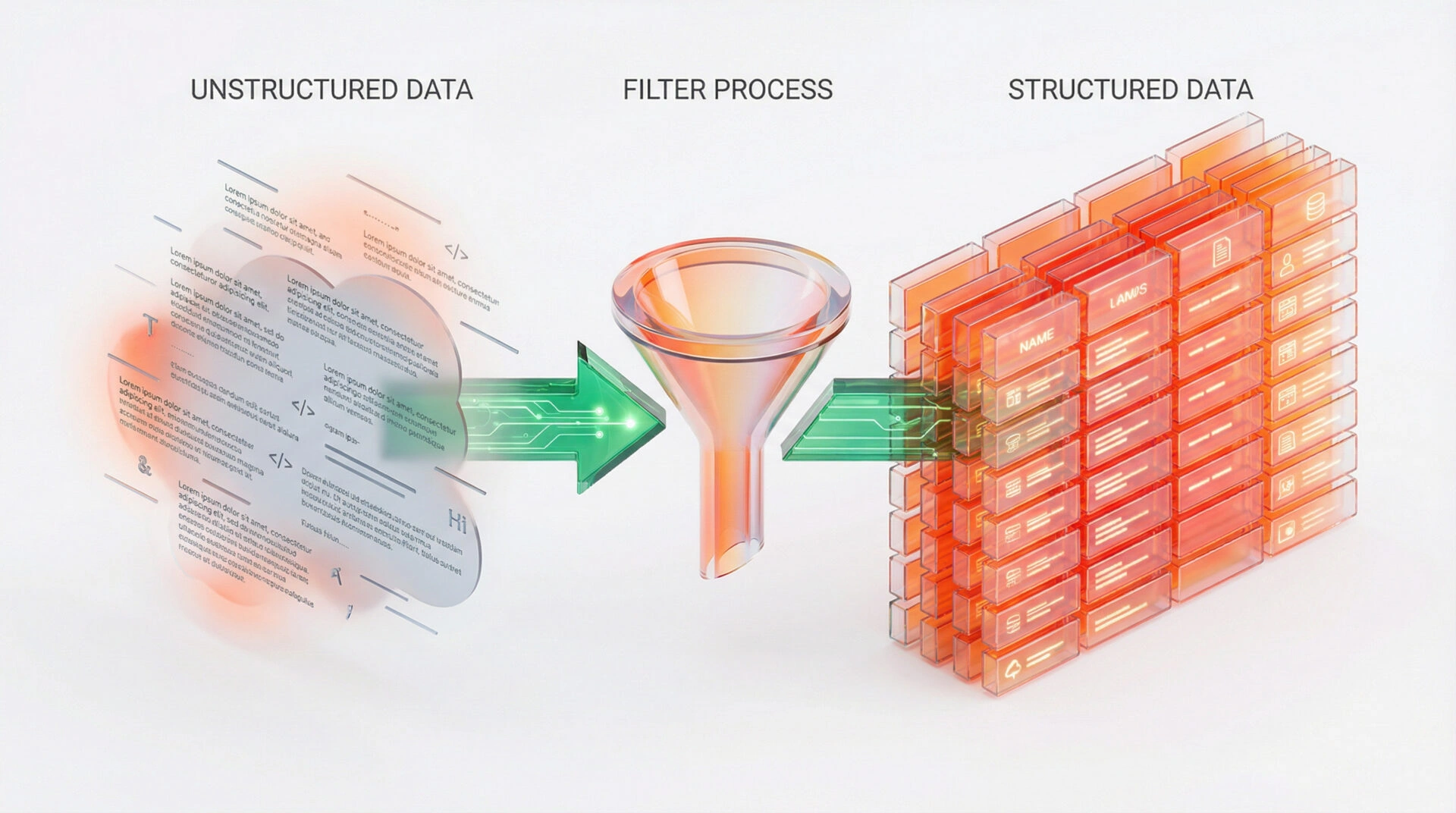
AI agents scrape structured tables significantly faster and more accurately than paragraphs of text.
- Strategy: Use standard HTML
<table>tags whenever comparing items, pricing, or features. - Benefit: Table usage increases the likelihood of data being pulled into a Google “Comparison” snapshot or a ChatGPT summary table.

Technical SEO Architect: The Foundation for Enterprise Growth

The Complete Adaptive SEO Framework: Future-Proof Your Search Strategy

The Hidden Flaw: Why “Beautiful” Websites Are Mispositioned in the Eye of AI
Technical Infrastructure: The llms.txt Standard
New standards for AI agents in [year] are as critical as robots.txt was in the 90s.
The New Standard: llms.txt
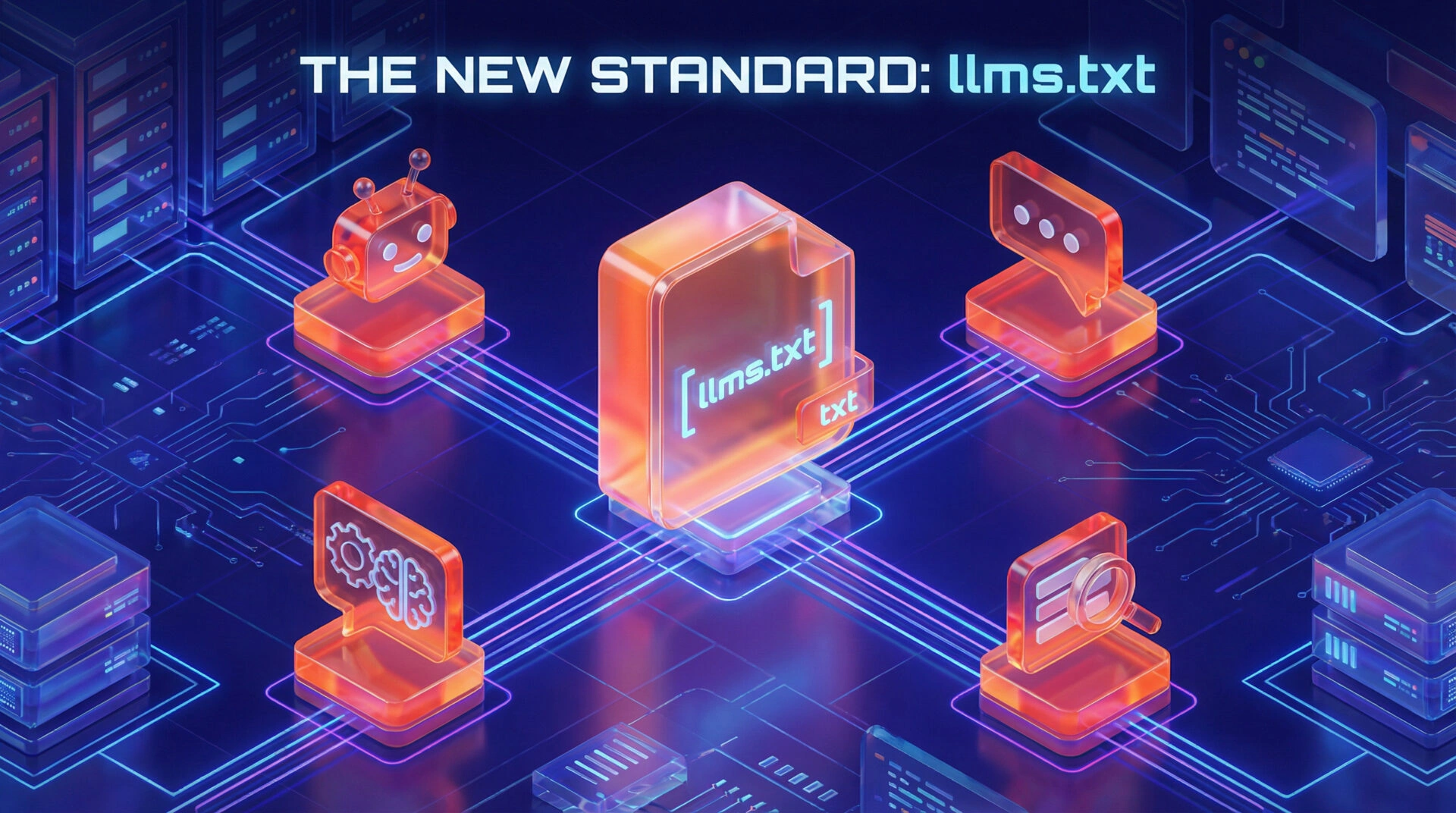
The llms.txt file is a standard practice where site owners create a text file at yourdomain.com/llms.txt.
- Purpose: The file acts as a clean map of a website’s most valuable content. The text strips away noise like navigation and footers to give AI bots a direct link to high-authority pages.
- Implementation: Create a text file listing core service pages and best pillar content. This list guides the AI to the best information without forcing it to crawl low-value URLs.
Update Your robots.txt Permissions
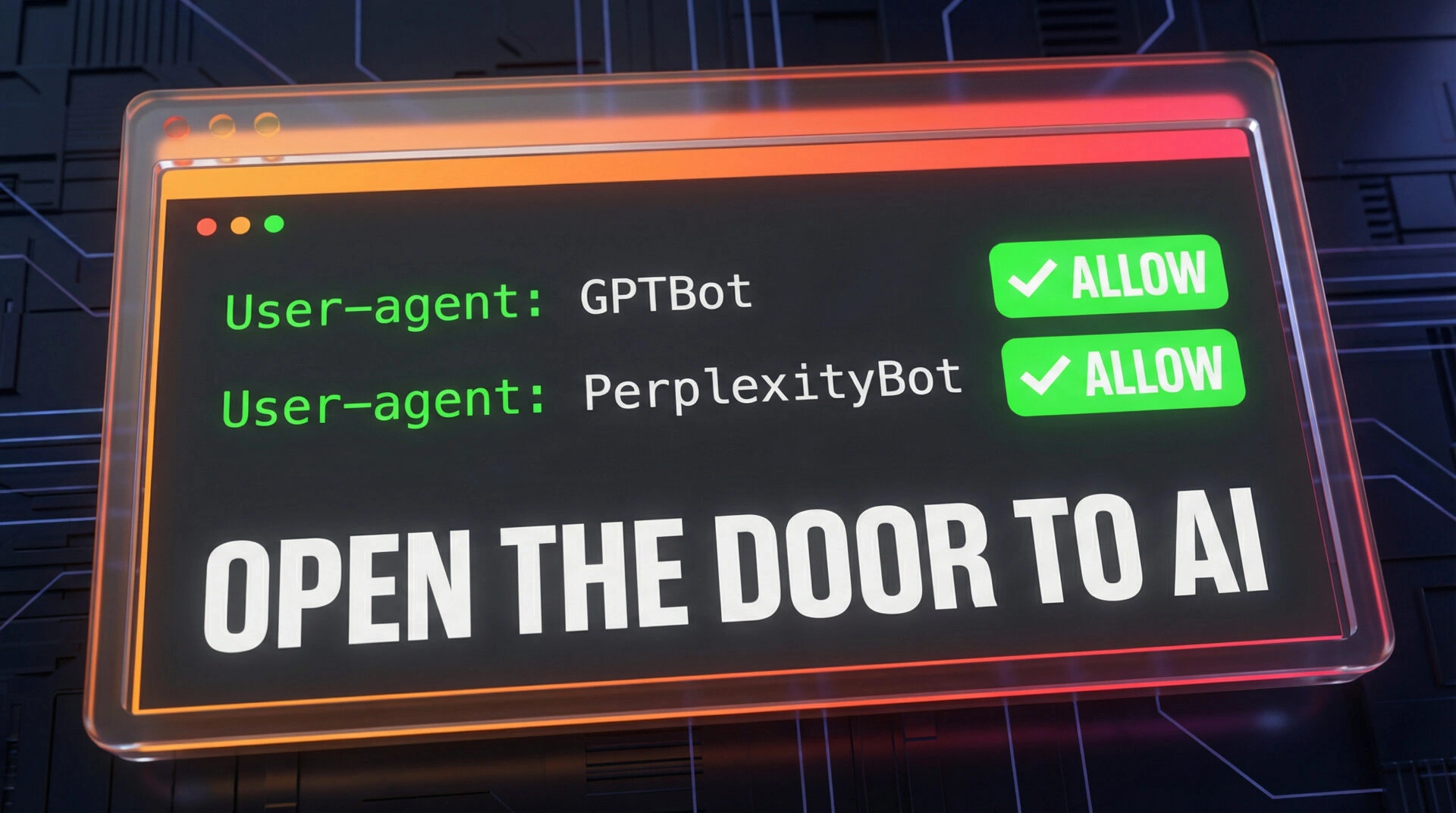
You cannot be the answer if you lock the door. Legacy SEO configurations often inadvertently block modern AI agents. Your robots.txt must explicitly allow the major fetchers:
User-agent: GPTBot
Allow: /

User-agent: ChatGPT-User
Allow: /

User-agent: PerplexityBot
Allow: /

User-agent: ClaudeBot
Allow: /
The JavaScript Trap (SSR vs. CSR)
Client-Side Rendering (CSR) remains a common failure point. Real-time AI agents often struggle with CSR, unlike Googlebot.
AI bots might see a blank page if content relies on JavaScript to load the text.
- The Fix: Technical SEO requires Server-Side Rendering (SSR) or Static Site Generation (SSG). The raw HTML source code must contain the core text and main content.
Schema Strategy: Speaking the Language of Entities
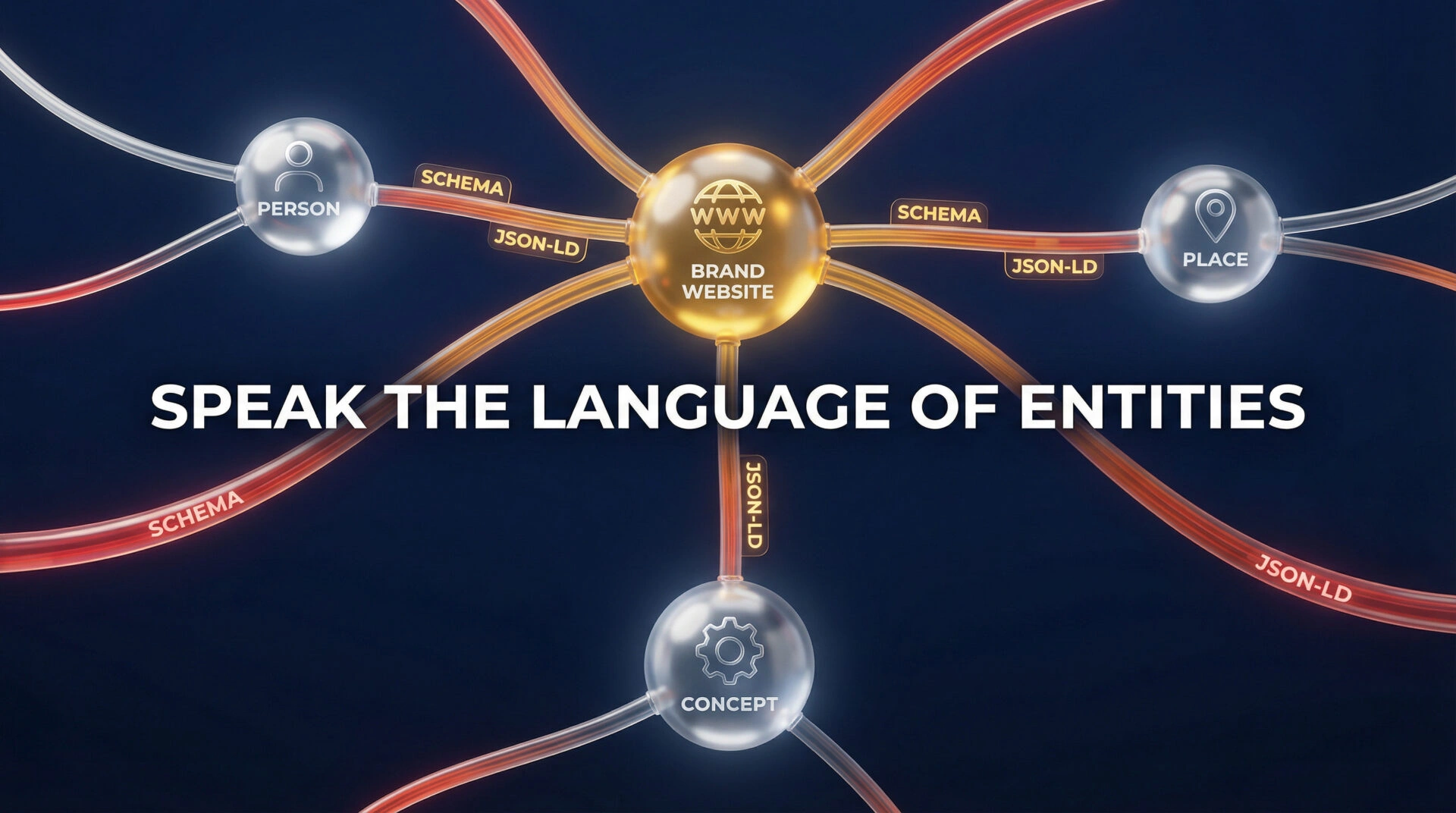
LLMs think in “Entities” (People, Places, Things, Concepts) rather than just keywords. Schema markup (JSON-LD) defines these entities for the machine.
Beyond the Basics
Standard Article schema is no longer enough.
FAQPageSchema: Mark up Q&A sections. This markup feeds content directly into an AI’s context window.MentionsProperty: Use thementionsproperty inside Article schema to link to Wikipedia or Wikidata entities.SameAsfor Brand Authority: Rigorously defineOrganizationschema. List every social profile and authoritative citation in thesameAsfield.
JSON-LD Snippet for Entity Linking
The following code demonstrates how to link your content to the “Search Engine Optimisation” entity in Wikidata:
<script type="application/ld+json">
{
  "@context": "https://schema.org",
  "@type": "TechArticle",
  "headline": "Optimised for LLMs: The Master Guide",
  "mentions": [
    {
      "@type": "Thing",
      "name": "Search Engine Optimization",
      "sameAs": "https://www.wikidata.org/wiki/Q180711"
    }
  ]
}
</script>
Build a Foundation for the Future
LLM optimisation requires a fundamental re-architecture of how a site delivers information. The shift moves from “visual-first” to “data-first” design.
Infrastructure must serve clean, structured data to the next generation of search agents or risk being ignored.
Need a technical audit? View our Website Audit Analysis Services to see how Ulement builds digital foundations designed to survive the AI shift.