Most business owners treat SEO as a basic marketing exercise. They focus entirely on keywords while ignoring the underlying code. In 2026, this approach is fundamentally flawed. As search evolves into Answer Engine Optimisation (AEO), your website must function as a perfectly structured database.
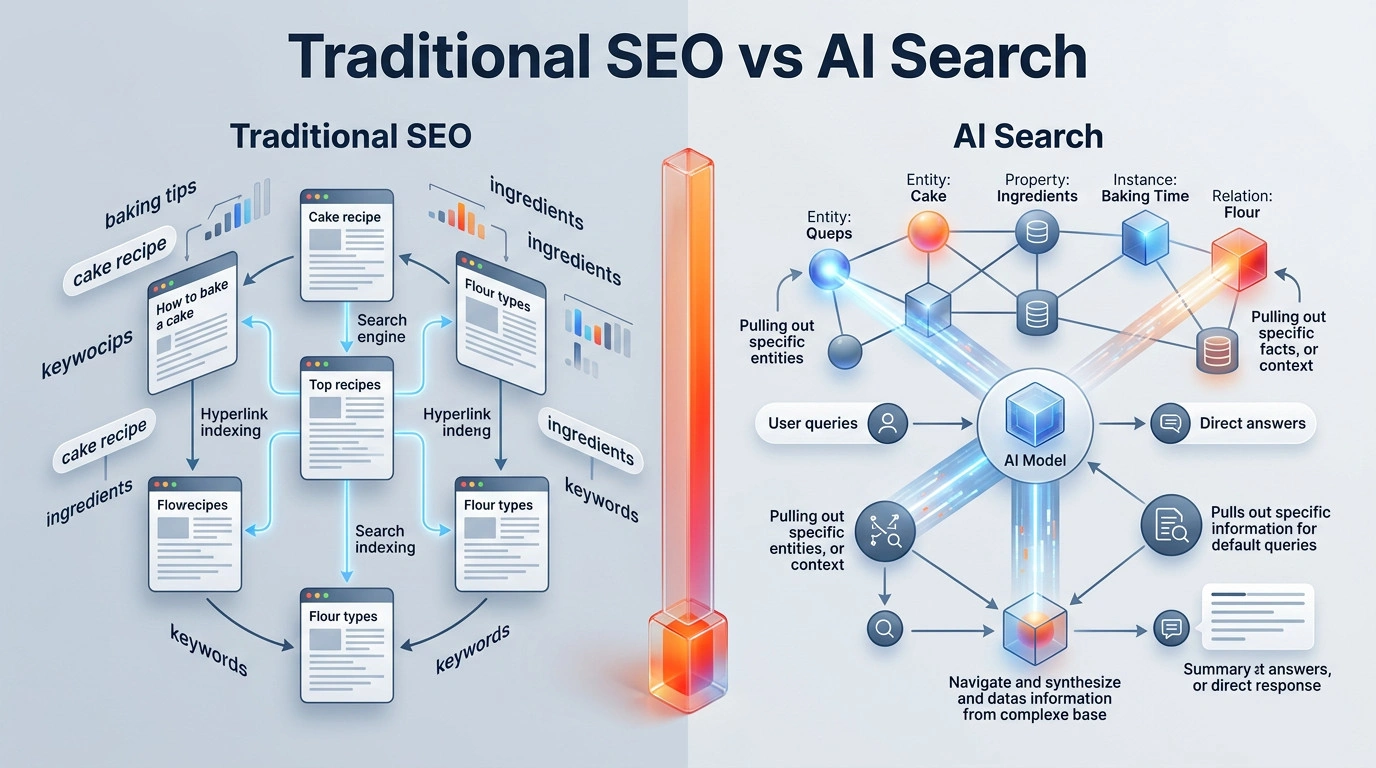
At Ulement, our technical architects engineer digital assets for maximum machine readability. Large Language Models (LLMs) and AI crawlers do not care about your visual design; they care about data extraction. If your architecture is fractured, your business becomes invisible to these algorithms. This guide provides the definitive technical checklist required to build a resilient “Digital Twin” of your business.
How Should You Prioritise Technical SEO Tasks?
To satisfy Retrieval-Augmented Generation (RAG) extraction models immediately, we categorise structural tasks by their architectural urgency.
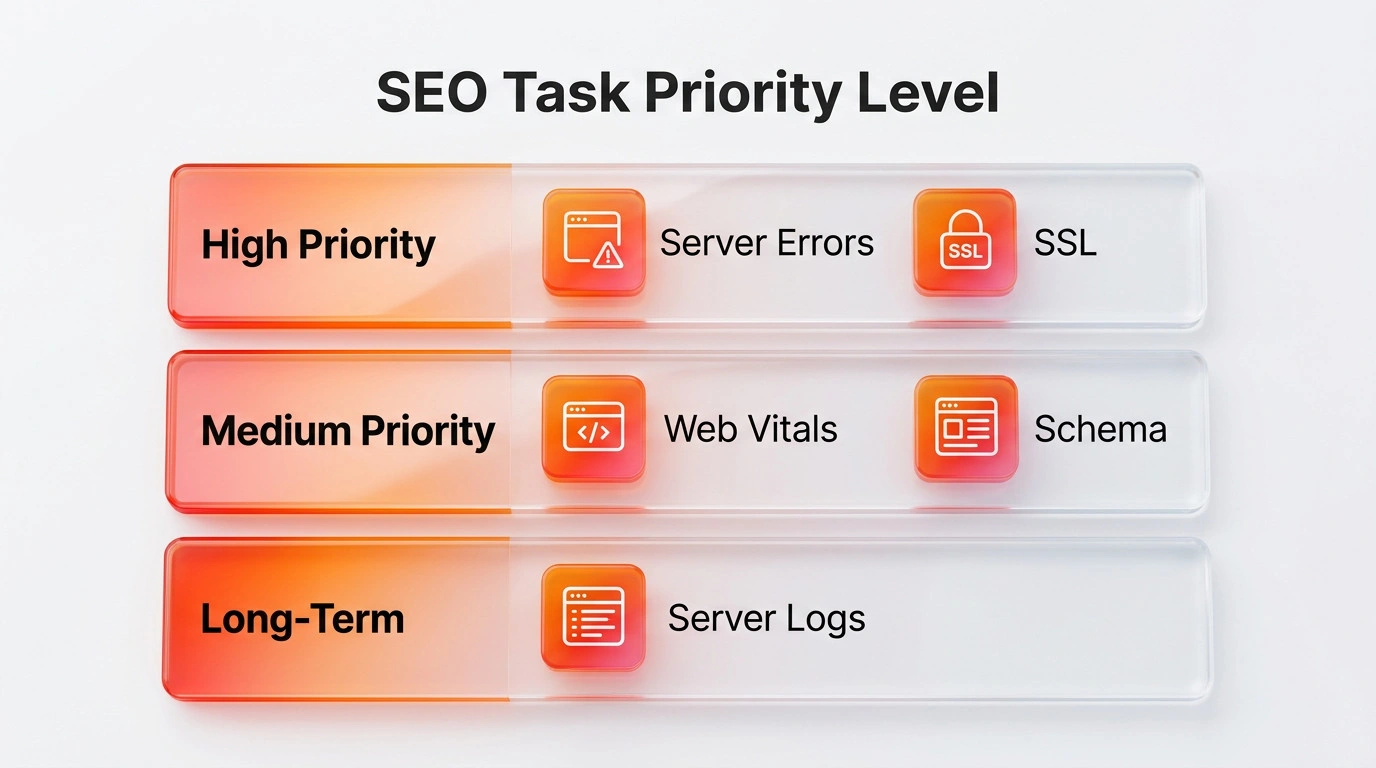
| Priority Level | Technical Task | Core Objective |
| High | Fix 5xx Server Errors & 404 Links | Ensure baseline crawler access. |
| High | Secure SSL & HTTPS Protocols | Establish primary domain trust. |
| Medium | Optimise Core Web Vitals (LCP, INP) | Improve user and bot render times. |
| Medium | Implement JSON-LD Schema | Translate content into Entity-Attribute-Value data. |
| Long-Term | Audit Server Logs | Verify AI crawler interaction frequency. |
How Does Technical SEO Differ From On-Page SEO?
On-page SEO is the content you present to the human user. It includes your copywriting, keyword placement, and multimedia elements. Technical SEO is the underlying infrastructure that delivers that content to the machine. If your technical architecture is flawed, your on-page efforts remain entirely invisible to search engines.
Why Does Technical Architecture Impact AI Search Rankings?
Search engines assign a strict “crawl budget” to your domain. The crawler exhausts its budget quickly if your site contains bloated code, slow server responses, or broken links. Technical SEO removes this friction. An optimised website possesses a clean Document Object Model (DOM), a flat URL hierarchy, fast server responses, and strict semantic HTML. It hands data directly to the algorithm.
How Should You Use This Technical SEO Checklist?
What Are the Recommended Tools for Your Technical SEO Audit?
Do not rely on free WordPress plugins for structural audits. Professional architects use specific tools to diagnose infrastructure:
- Desktop Crawlers: Screaming Frog SEO Spider simulates exact AI bot behaviour.
- Indexing Truth: Google Search Console (GSC) provides definitive data directly from the search engine.
- Topology Mapping: Ahrefs or Seranking helps map external backlink architecture.
How Should You Set Measurable Benchmarks Before You Begin?
Before changing a single line of code, record your baseline metrics. You must document your current organic traffic, Core Web Vitals scores, and GSC Index Coverage numbers. You cannot optimise what you do not measure.
Part 1: How Do You Ensure Optimal Crawlability?
How Should You Optimise Your Robots.txt File?
The robots.txt file controls search engine crawl access. Ensure you are not accidentally blocking critical directories like your CSS or JavaScript folders. Googlebot requires these files to render your pages accurately.
Why Must You Submit and Audit Your XML Sitemap?
Your sitemap is the machine-readable roadmap of your digital asset. Ensure it only contains “200 OK” status URLs. Remove all redirected, canonicalised, or “noindex” pages to keep the signal entirely pure.
How Do You Optimise Your Crawl Budget for AI Bots?
Prevent search engines from wasting resources on low-value pages. Use your robots.txt and “noindex” tags to block crawlers from infinite spaces like calendar archives or dynamic search result pages.
How Do You Fix Redirect Chains and Redirect Loops?
A redirect chain occurs when URL A points to URL B, which then points to URL C. This structure dilutes your authority and slows down page loading. Always point the original URL directly to the final destination.
Why Should You Resolve Broken Links and 5xx Server Errors?
A 404 error is a dead end that wastes your crawl budget and severs semantic relationships. Fix these using precise 301 redirects. Furthermore, a 5xx error means your server failed to fulfill a valid request. If Googlebot repeatedly encounters 5xx errors, it will actively throttle your crawl rate to avoid crashing your server.
Part 2: How Do You Manage Indexing and URL Structures?
How Do You Check Index Coverage in Google Search Console?
Regularly monitor the “Pages” report in GSC. Investigate the “Why pages aren’t indexed” section to uncover hidden architectural blocks preventing your content from ranking.
Why Must You Audit and Remove Unnecessary Noindex Tags?
A rogue “noindex” tag in your site header will actively remove your pages from search results. Verify that these tags are exclusively applied to utility pages, such as checkout or user account areas.
How Should You Handle Faceted Navigation Properly?
E-commerce sites often generate thousands of dynamic URLs when users click filters for size or colour. You must configure strict canonical rules. This prevents bots from indexing these variations and penalising your site for duplicate content.
What Makes an SEO-Friendly URL Structure?
URLs must be flat, logical, and descriptive. A structure like domain.com.my/services/technical-seo/ is infinitely more extractable than domain.com.my/?p=123.
Part 3: How Do You Optimise Site Speed and Core Web Vitals?
How Do You Optimise Largest Contentful Paint (LCP)?
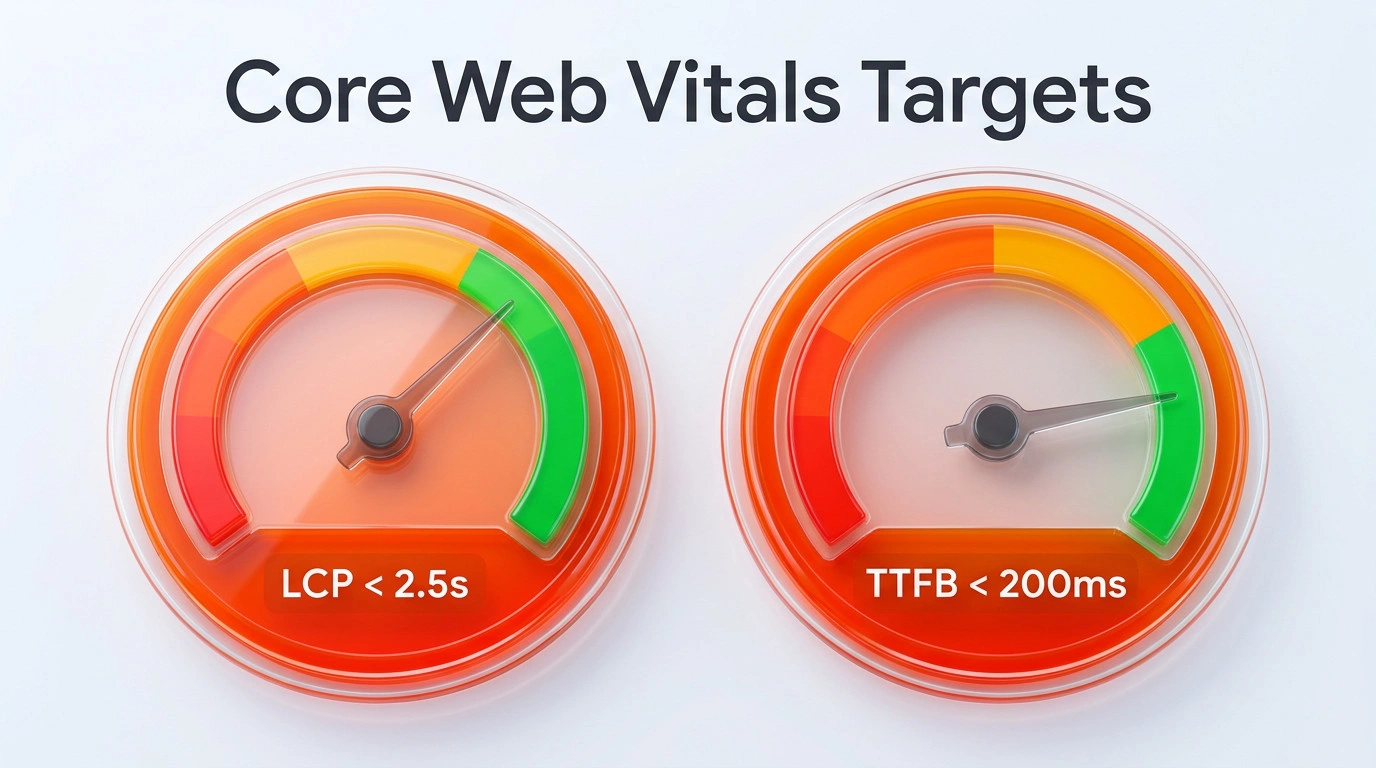
LCP measures how long it takes for the largest visual element on your screen to load. You must aim to keep this under 2.5 seconds. Achieve this by preloading critical images and upgrading your server infrastructure.
How Do You Improve Interaction to Next Paint (INP)?
INP measures the delay between a user clicking a button and the browser responding. To fix poor INP, you must remove heavy, unoptimised JavaScript that blocks the main browser thread. Suggest removing the sliders above the fold.
How Do You Reduce Server Response Time (TTFB)?
Time to First Byte (TTFB) dictates how fast your server reacts. Optimise your database queries, upgrade your PHP runtime, and implement server-level caching to aim for a TTFB under 200 milliseconds.
Part 4: How Do You Ensure Mobile Optimisation?
Why Must You Implement Responsive Web Design?
Use CSS media queries to ensure your site fluidly adapts to any screen size. This approach is superior to maintaining separate mobile URLs, which fragments your domain authority.
How Do You Match Content for Mobile-First Indexing?
Google primarily uses the mobile version of your site for indexing and ranking. If you hide critical content or schema markup on your mobile layout to save space, the algorithm will ignore it completely.
Part 5: How Do You Architect Site Security?
Why Must You Enforce HTTPS Across Your Entire Site?
HTTPS is a mandatory ranking signal. Unsecured HTTP sites trigger browser warnings that compromise user trust and negatively impact conversion rates.
How Do You Implement Security Headers?
Deploy HTTP security headers (like HSTS and X-Frame-Options) to protect your site from clickjacking and cross-site scripting attacks. Security forms a foundational pillar of enterprise SEO. Use Security Haders to analyse your HTTP response headers.
Part 6: How Do You Build Logical Site Architecture?
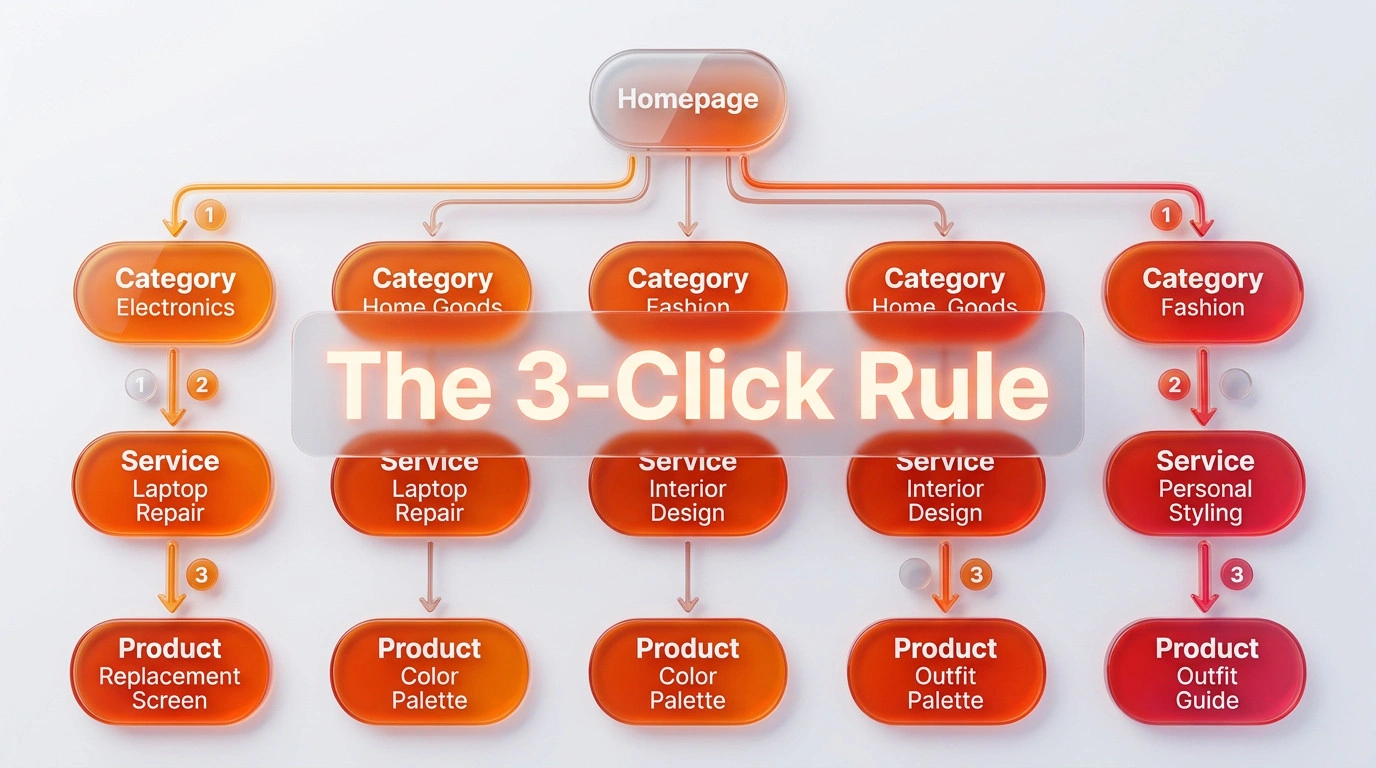
How Do You Reduce Click Depth?
A user and an AI crawler should be able to reach your most important commercial pages within three clicks from the homepage. Deeply buried pages receive minimal crawl priority.
Why Must You Strengthen Your Internal Linking Structure?
Internal links distribute ranking authority across your domain. Use them strategically. Point links from high-traffic blog posts toward your core transactional pages using descriptive anchor text rather than generic phrases like “click here”.
Part 7: How Do You Handle Duplicate Content and Canonicalisation?
How Do You Implement Canonical Tags Correctly?
A canonical tag acts as a signpost telling search engines which version of a URL is the primary copy. Ensure every page features a self-referencing canonical tag to protect your content from scraper sites.
How Do You Fix Thin Content Pages?
Pages with very little unique text drag down your overall domain quality. You must expand them with valuable data or merge them into a larger, comprehensive guide.
Part 8: How Do You Deploy Structured Data and Schema Markup?
How Do You Choose the Right Schema Types?
Schema markup translates your content into Entity-Attribute-Value relationships. It mathematically proves what your content is about. Choose the exact schema type (Article, Product, FAQ) that matches your page intent.
Why Must You Validate Your Structured Data Markup?
Broken schema is worse than no schema at all. Use Google’s Rich Results Test to ensure your JSON-LD code compiles perfectly before deployment.
Part 9: How Do You Manage JavaScript SEO and Rendering?
How Do You Choose the Right Rendering Architecture?
Server-Side Rendering (SSR) or Static Site Generation (SSG) are superior to Client-Side Rendering (CSR) for SEO. You must hand the search engine a fully formed HTML document, not an empty container requiring extensive execution.
How Do You Ensure Critical Content Is Not Hidden?
Do not hide primary text behind complex accordion scripts that require user interaction to trigger. Crawlers do not click buttons; they read the Document Object Model.
Part 10: How Do You Structure Metadata and On-Page Elements?
How Do You Write Unique Meta Tags?
The title tag remains a highly weighted on-page ranking signal. It must be unique, describe the exact entity of the page, and remain under 60 characters. Write concise meta descriptions to drive click-through rates from the search results.
Why Must You Use Hierarchical HTML Header Tags?
Headers form the strict logical outline of your document. Never skip heading levels. Jumping from an H2 to an H4 fractures the semantic structure that LLMs rely on for summarisation.
Part 11: How Do You Prepare for AI Readiness and Generative Engines?
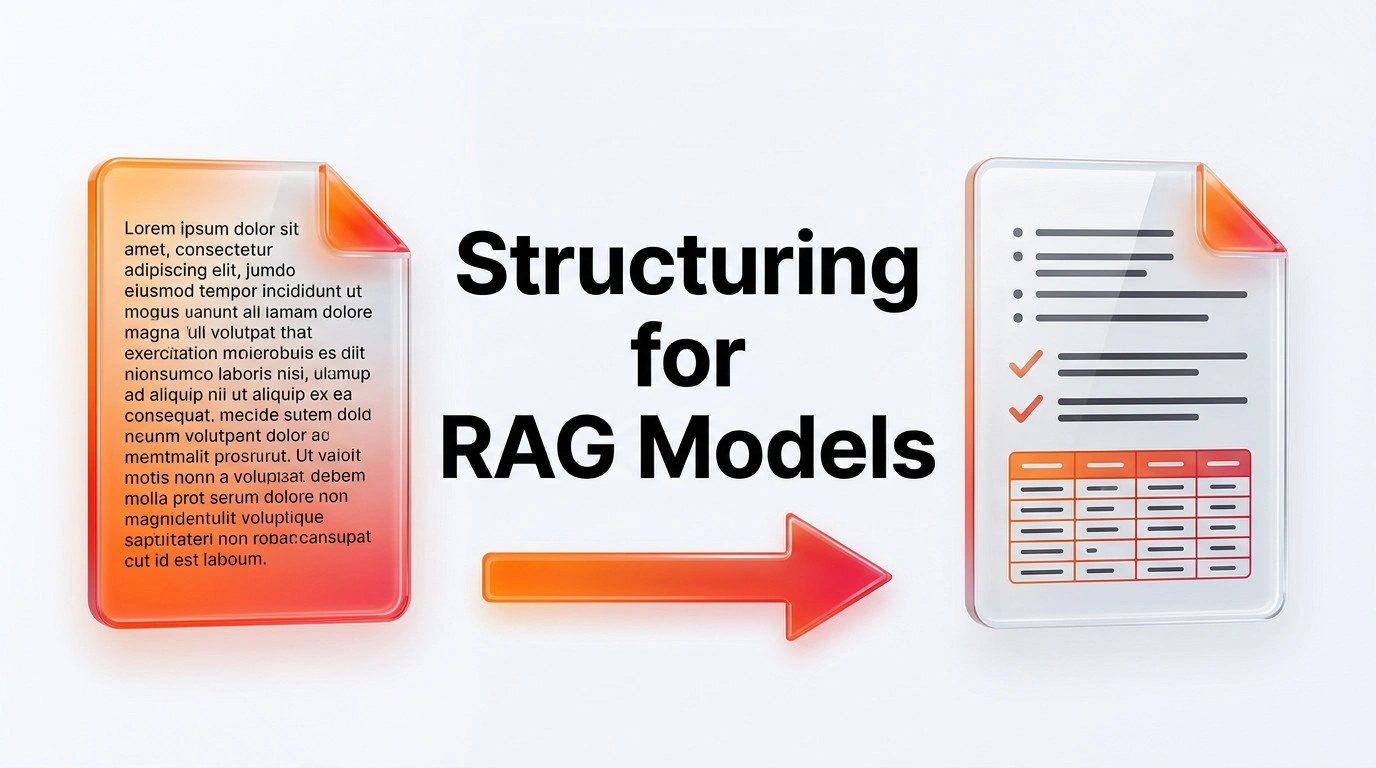
How Do You Make Content Extractable for RAG Systems?
Retrieval-Augmented Generation models require explicit, well-structured data.
- Use short, declarative paragraphs.
- Implement clear bullet points.
- Use semantic HTML tables to present numerical data.
How Do You Audit Your Robots.txt for AI Crawlers?
You must decide strategically whether to allow LLMs to scrape your proprietary data for their training models. You can explicitly block or allow AI bots (like GPTBot or ClaudeBot) via your robots.txt directives.
Part 12: How Do You Maintain Ongoing Monitoring?
Why Must You Schedule Regular Technical Audits?
Digital architecture degrades naturally over time as new content is added. Schedule comprehensive technical crawls every quarter to catch broken links, heavy DOM bloat, and schema drift before they impact revenue.
How Do You Set Up Automated Alerts?
Do not wait for a drop in sales to realise your site is broken. Configure automated alerts for 5xx server errors, traffic drops, and uptime failures.
Quick-Start Technical SEO Checklist: Priority Order
Begin your technical overhaul by addressing these items in strict order.
1. High-Priority Fixes to Implement First
- Resolve 5xx server errors and 404 broken links.
- Secure valid SSL certificates.
- Remove rogue “noindex” tags blocking key pages.
2. Medium-Priority Improvements to Schedule Next
- Optimise Core Web Vitals (LCP, INP, CLS).
- Implement comprehensive JSON-LD schema markup.
- Fix duplicate content via strict canonicalisation rules.
3. Long-Term Ongoing Maintenance Tasks
- Monitor server log files continuously.
- Prune outdated or thin content.
- Align content structure for LLM extraction.
FAQs
Stop Guessing. Start Engineering.
Your website is a highly complex “Digital Twin” of your business. Relying on simple plugins and basic keyword placement is a guaranteed path to obsolescence in the era of AI Answer Engines. True search visibility requires absolute structural integrity.
Ulement provides comprehensive Site Audit & Analysis to uncover DOM bloat, severe indexing blocks, and the hidden technical debt draining your organic revenue. Contact us today to secure your infrastructure.