Every year, the WordPress security company Patchstack releases its “State of WordPress Security” report, providing a data-driven look at the threats facing millions of websites. As a security consultant, I’ve analysed the 2025 report, and the findings contain critical lessons for every business owner in Malaysia who relies on their website.

The Sobering Facts from the 2025 Patchstack Report
The data from the latest Patchstack report paints a clear picture of the current threat landscape. The core issue is not with WordPress itself, but with the third-party software we add to it.
- As a result, more than 500,000 WordPress sites were infected by malware last year, affecting businesses of all sizes, including those here in Malaysia.
- According to the report, nearly 8,000 new vulnerabilities were discovered in the WordPress ecosystem in 2024, a 34% increase from the previous year.
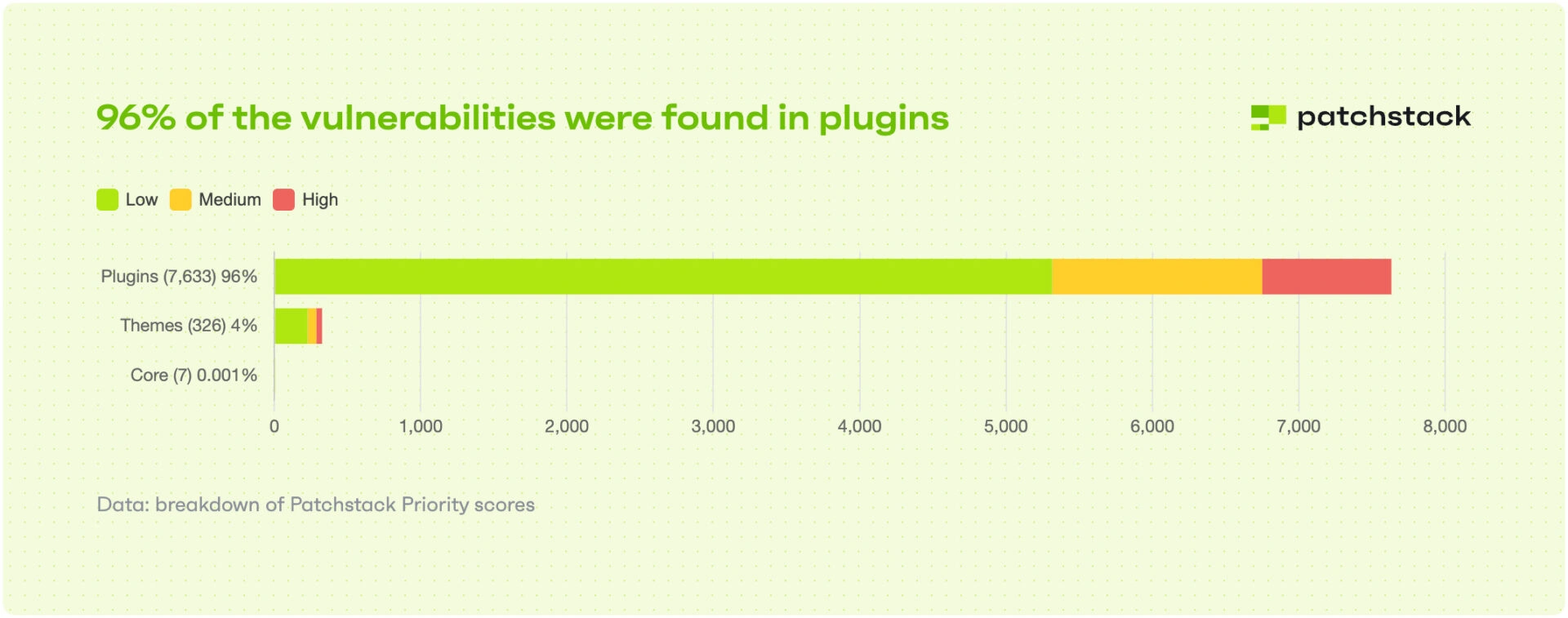
- The overwhelming majority: 96% of these vulnerabilities were found in third-party plugins.
What We Can Learn From the Data
This data provides three crucial lessons for any website owner.
Learning 1: Your Plugins and Theme are Your Biggest Risk
The data is undeniable: your biggest security risk comes from the plugins and themes you install. While these tools add powerful features, each one is a potential entry point for an attacker.
Learning 2: Relying on Updates Alone is a Failed Strategy
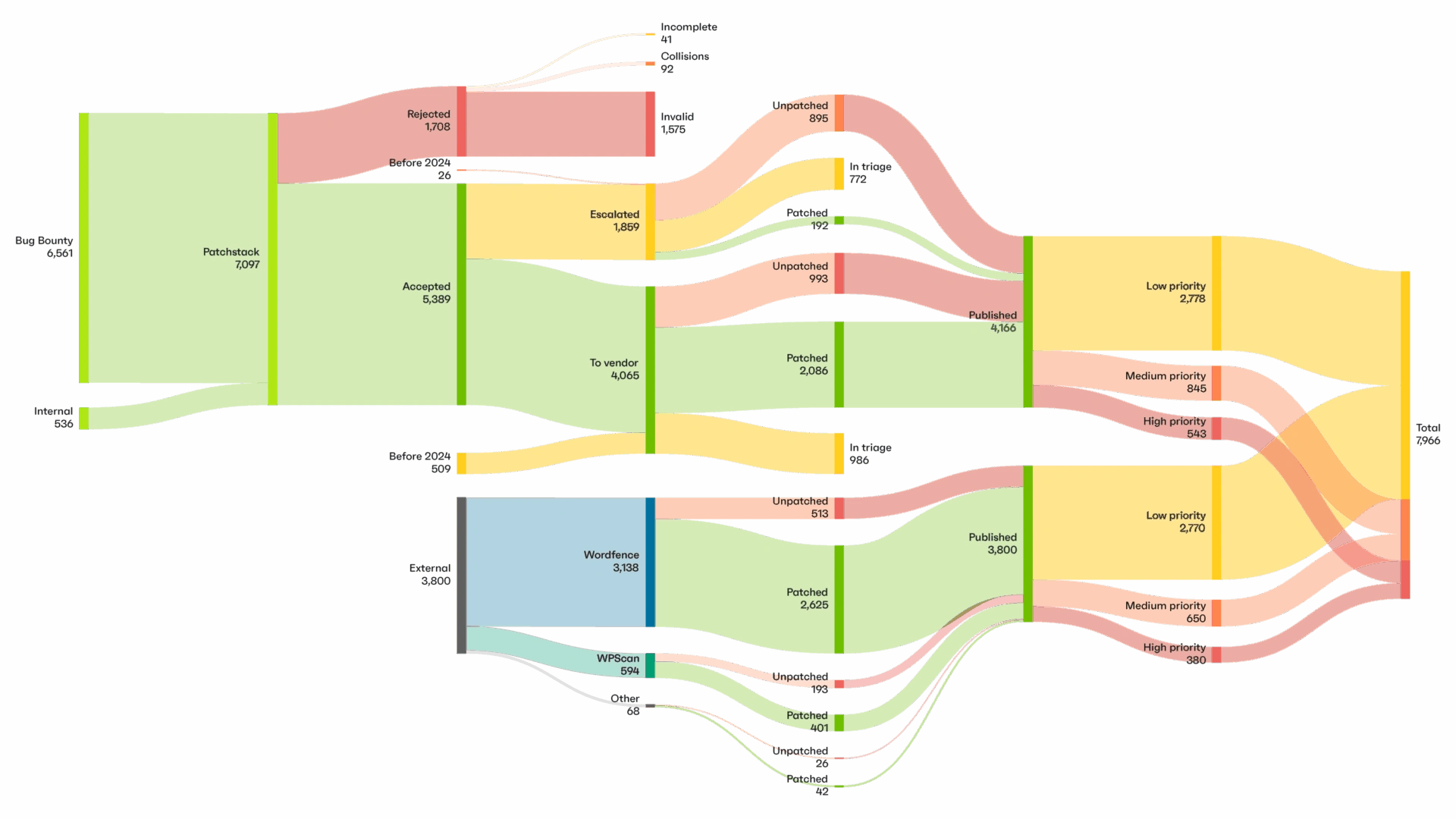
While updating plugins is critical, the report reveals that one-third of all vulnerabilities last year had no security patch available at the time they were made public. This means that simply clicking “update” is not enough to protect you, especially if you are using an abandoned or poorly supported plugin.
Learning 3: Hackers Don’t Always Need Your Password
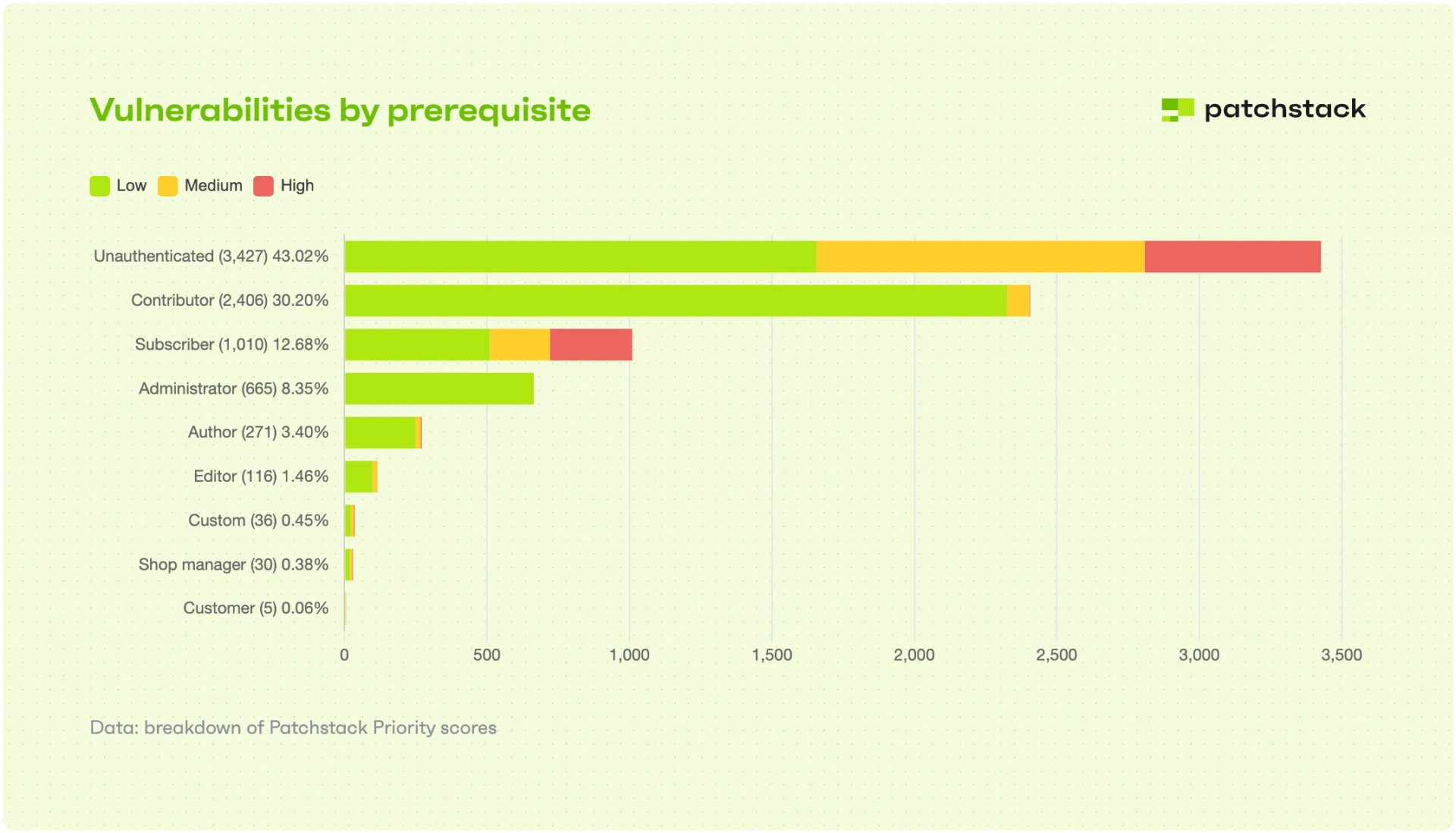
A concerning 43% of WordPress vulnerabilities in 2024 required no authentication to be exploited. This means an attacker could compromise your site through a vulnerable plugin without ever needing to guess your password, bypassing a primary line of defence.
The Only Real Defence: Proactive WordPress Management
The key lesson from the Patchstack report is that a reactive, “set and forget” approach to website security is a recipe for disaster. The only effective defence is a proactive, ongoing management plan that addresses these risks head-on.
What Professional Management Includes
- Expert Response to Active Threats: When a major “zero-day” vulnerability is announced, only a dedicated management service can react fast enough to apply the necessary patches and protect your business-critical site.
- Regular Health Checks & Vulnerability Monitoring: A secure WordPress site needs professional, ongoing scanning to find weaknesses before they can be exploited.
- Security Patch & Abandoned Plugin Audits: Professional management means every plugin on your site is continuously checked for exposure, patched immediately, or replaced if it has been abandoned.
- A Multi-Layered Defence: This combines preventative tools like an advanced malware scanner and a Web Application Firewall (WAF) with a reliable, secure backup and recovery plan.
My Expert Take: The Rising Standard of Professional Care
As a consultant, the data in the annual Patchstack report validates what I see on the ground with Malaysian businesses. The most common cause of a hack is almost always a neglected, vulnerable plugin.
The days of installing a free security plugin and hoping for the best are over. The increasing complexity of threats means that the baseline for professional website management has been raised. For any business that relies on its website or processes customer data, having an expert team manage its security is now an essential cost of doing business.
Conclusion: From a Liability to a Secure Asset
The data from the 2025 Patchstack report is a clear warning. The threat landscape is growing, and a passive approach to security is a near-guarantee of a future problem. By investing in a professional WordPress management plan, you can turn a potential liability into a secure, reliable asset for your business.
Don’t wait until you’re hacked to take security seriously. Protect your WordPress site and your brand today.