Most clinic owners assume that publishing factually accurate medical content guarantees safety from regulators. In reality, a single unapproved phrase or patient review can trigger a swift Ministry of Health takedown, instantly dismantling years of organic search equity.
Key Takeaways
- Medicine Advertisements Board (MAB) approval is mandatory for all digital media promoting healthcare facilities.
- Patient testimonials addressing clinical success or treatment efficacy are banned under local codes.
- Optimising for restricted diagnostic phrases or using unapproved superlative statements brings heavy financial penalties.
- Integrating legal compliance parameters into your early content architecture protects search rankings from sudden enforcement actions.
The Foundation of Malaysian Healthcare SEO
The Kementerian Kesihatan Malaysia (MoH) exercises strict control over public health assertions. This oversight falls under the jurisdiction of the Medicine Advertisements Board (MAB), which sets structural operational criteria for digital promotional assets. When executing medical clinic SEO, digital marketers must satisfy these MAB requirements alongside guidelines from the Malaysian Medical Council (MMC).
Essential MoH and MMC Regulatory Documents for E-E-A-T
Building Experience, Expertise, Authoritativeness, and Trustworthiness (E-E-A-T) requires strict adherence to official literature. Below are the core regulatory texts dictating online compliance, complete with exact reference codes.
Guideline on Advertising of Medicines to General Public
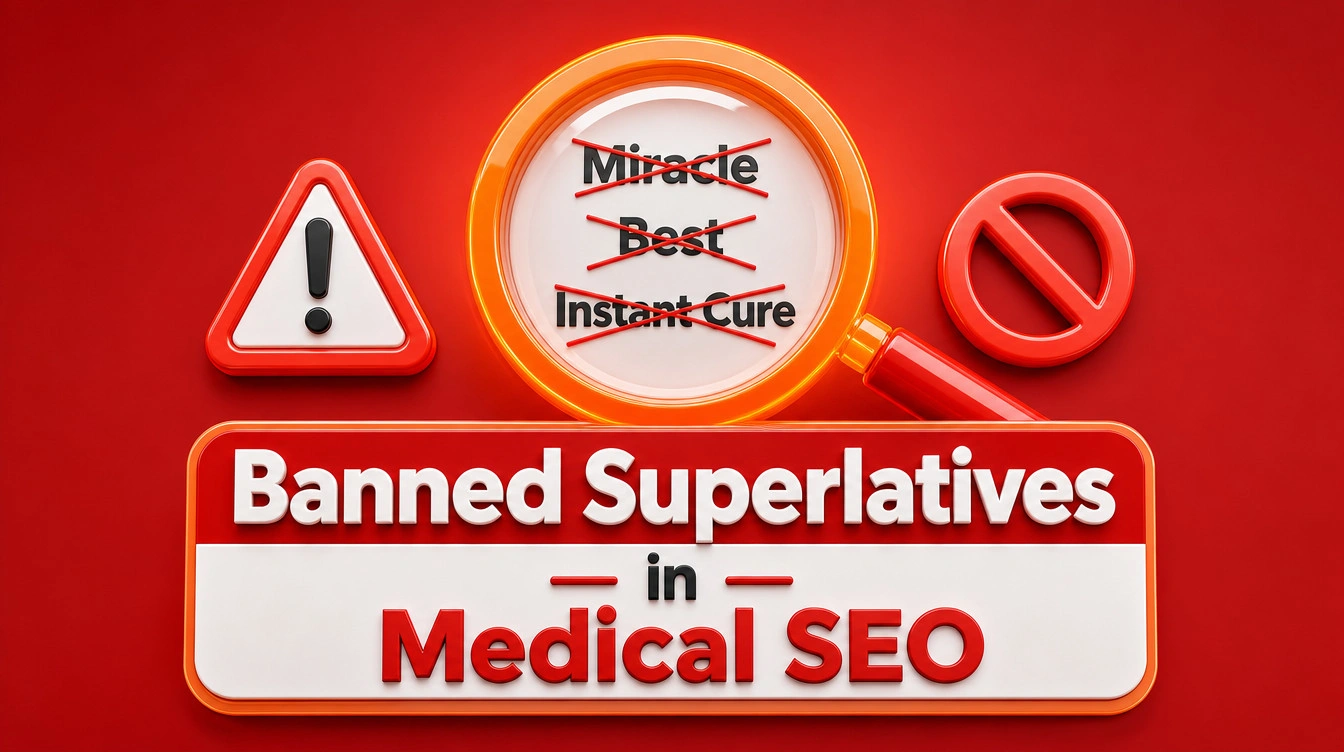
This document governs how your copywriters describe treatments and medicinal products. It explicitly lists the 20 restricted medical conditions you cannot claim to treat (like diabetes or hypertension) and permanently bans the use of superlatives such as “miracle” or “instant cure.”
- Reliable and Substantiated Claims (Ref: Part 4.1 & 4.10):Advertisements must present fair, objective, and accurate information. Furthermore, all factual claims made in the marketing material must be fully capable of substantiation.
- Prohibition on Specific Disease Claims (Ref: Part 4.4):Marketers cannot advertise the prevention, diagnosis, or treatment of 20 restricted conditions, including diabetes, hypertension, asthma, and cancer.
- Strict Rules for Testimonials (Ref: Part 5.3): While user testimonials are permissible, they must accurately reflect approved indications. Additionally, any advertisement featuring a testimonial must clearly state: “The effect of the product may vary among individuals”.
- Ban on Superlatives and Hyperbole (Ref: Part 5.9 & Appendix 3):Advertisers cannot use superlative descriptors to imply product superiority or exaggerate clinical characteristics. Banned promotional phrases include “instant cure”, “world’s best”, “miracle”, and “no side effect”.
- Mandatory Warning Statements (Ref: Part 9.0): Every approved advertisement must display the DCA registration number clearly. It must also include a specific warning statement, such as “This is a medicine / supplement / traditional product advertisement”.
Advertising Guidelines for Healthcare Facilities
This framework dictates how clinics and hospitals can legally market their physical premises and core services. It strictly limits patient reviews to facility hospitality, completely banning clinical outcome claims and outlaws direct price comparisons with competitors.
- Approval is Mandatory (Ref: Part 1.3):Healthcare facilities must obtain formal approval from the Medicine Advertisements Board prior to publicising any advertisements, unless the content meets specific, narrow exemption criteria.
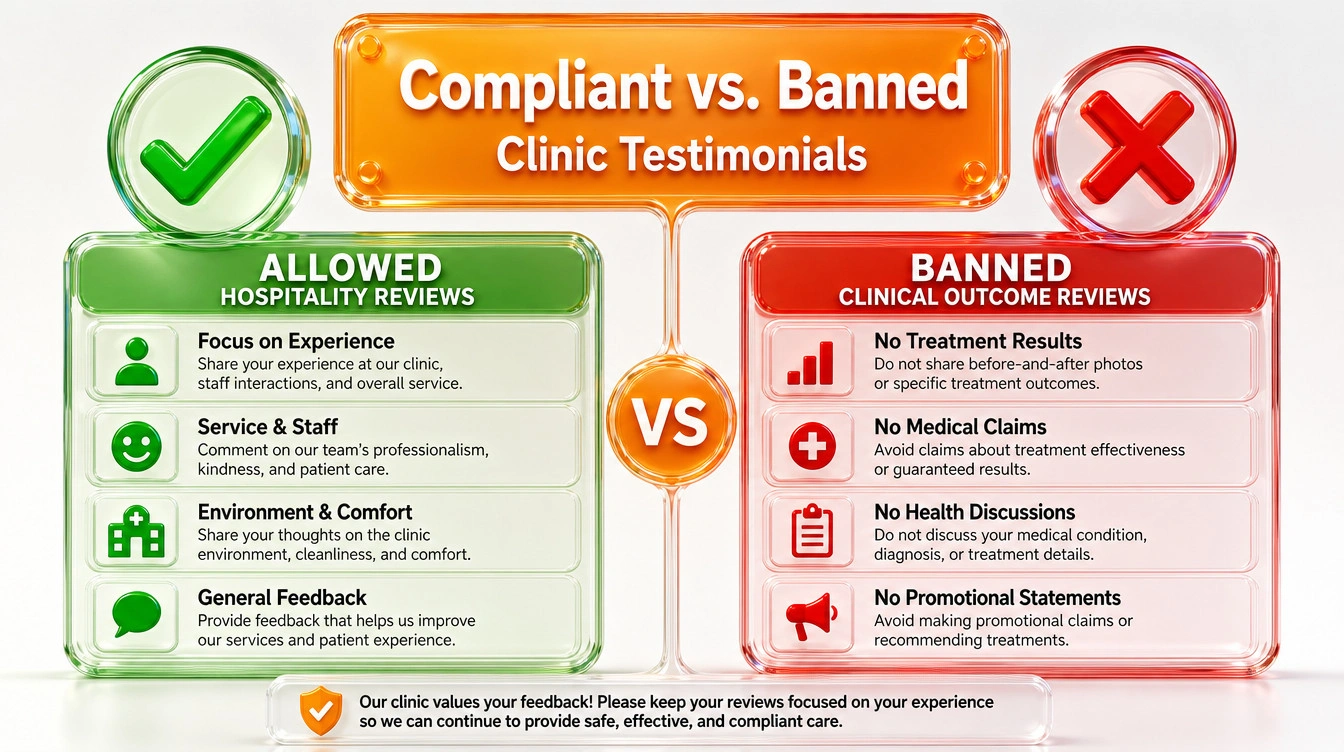
- Restrictions on Patient Testimonials (Ref: Part 4.5): Patient testimonials can only promote the physical premises, such as facility cleanliness or staff hospitality. Testimonials detailing clinical treatment outcomes or praising a practitioner’s medical skills are strictly disallowed.
- Pricing and Promotions Limitations (Ref: Part 7.1): Service advertisements may feature standard package pricing or percentage discounts. However, direct price comparisons between competing facilities and offers for “free” healthcare treatments are strictly forbidden.
- Website Content Guidelines (Ref: Part 6.9):Information presented on a clinic’s website regarding doctors and their qualifications must remain simple and informative. Web copy must explicitly avoid laudatory or exaggerated remarks regarding a practitioner’s specialties.
- Prohibition of Clinical Image Displays (Ref: Part 5.5):Healthcare facilities cannot mount posters or display photographs of preserved human tissue specimens, excised lesions, or diseased patients on the exterior walls of their clinics.
Dissemination of Information by Medical Professionals
Issued by the Malaysian Medical Council (MMC), this sets the ethical boundaries for doctors acting as content authors. It outright bans self-promotional canvassing and product endorsements, while detailing exactly how practitioners can safely build digital authority through educational content on social media.
- Strict Ban on Advertising and Canvassing (Ref: Part 3.2): The MMC explicitly forbids registered practitioners from engaging in direct or indirect advertising. Professionals cannot use advertising to obtain patients or promote their own professional advantage.
- Maintaining Patient Confidentiality Online (Ref: Part 6.2):When utilising social media platforms, medical professionals must rigorously prioritise patient privacy. They must refrain from sharing any patient-specific details publicly to prevent any risk of identification.
- Endorsement of Health-Related Products (Ref: Part 5.14):Practitioners are heavily discouraged from promoting or endorsing health-related products across any media channels. Engaging in such endorsements risks compromising patient trust, professional integrity, and the quality of care provided.
- Guidelines for Clinic Signboards (Ref: Part 4.3):Signboards must serve purely as informational guidance to locate a clinic, rather than acting as a tool for patient solicitation. Furthermore, the total combined size of the clinic’s signboards must not exceed 3.0 square meters.
- Participating in Public Media and Forums (Ref: Part 5.4): Medical practitioners are permitted to discuss health topics in the mass and social media. However, practitioners must ensure these discussions remain rational, scientific, and strictly evidence-based.
Q: Do educational medical blog posts require official MAB registration numbers?
A: Purely educational content explaining physiological conditions without referencing a clinic’s custom services, special deals, or proprietary technologies is generally exempt from requiring a registration number.
How Does KKLIU Compliance Directly Shape Your SEO Strategy?
In search optimisation, text designed to convert visitors transforms a simple informational page into an advertisement. The MAB explicitly monitors layout components that compare service prices or feature promotional bundles for clinical tests. Integrating compliance limits costly re-work during ongoing SEO campaigns and retainer cycles.
What Are the Prohibited Keywords and Claims?
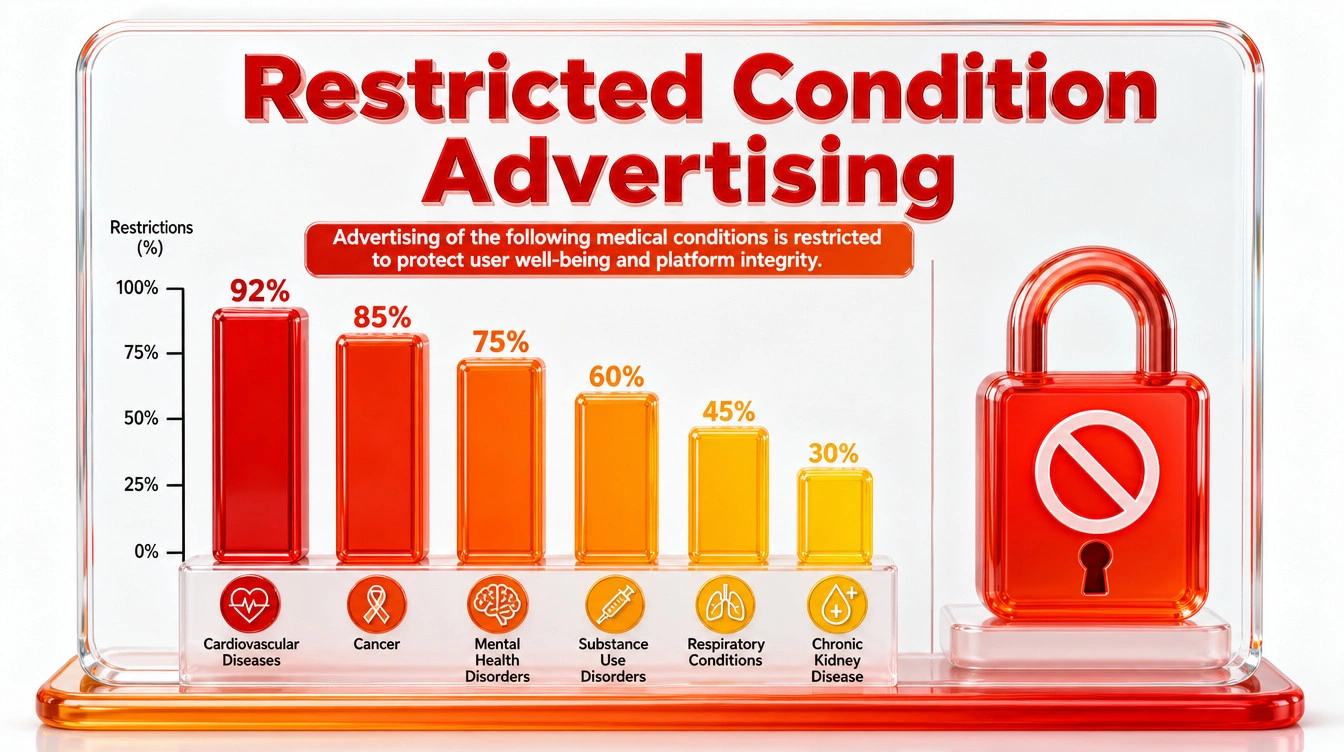
Keyword selection requires careful filtering. Malaysian regulations forbid the general public advertising of treatments related to 20 specified human conditions. Furthermore, writing copy filled with aggressive superlatives is completely prohibited. You must display your valid KKLIU numbers along with mandatory safety warnings clearly on approved pages.
Q: Can we include words like “best” or “instant” in our page meta titles?
A:Absolute superlatives such as “best”, “instant cure”, “No. 1”, and “miracle” are strictly barred from all headings, metadata, and core copy elements.
The Step-by-Step KKLIU Approval Process
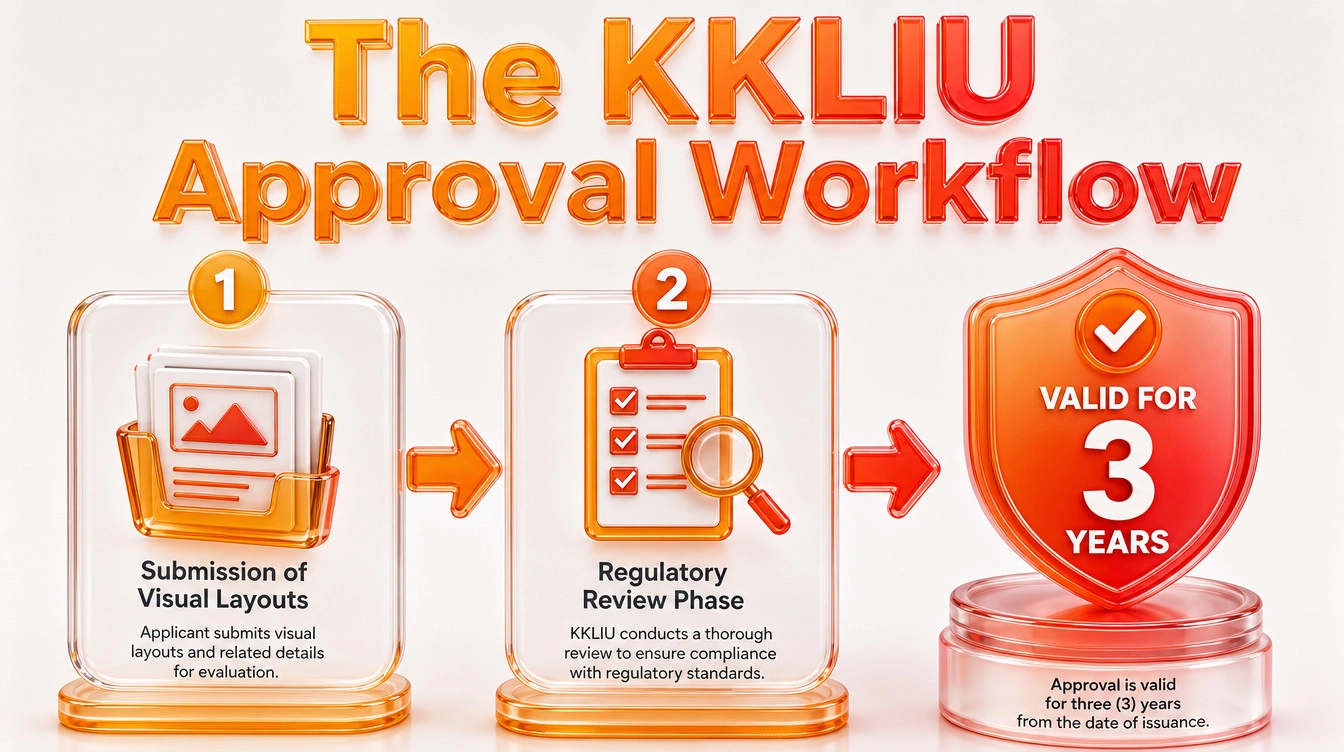
When applying for digital advertising approval, marketing teams must submit the exact visual layout and structural text intended for live deployment. Any foreign languages utilised must feature accurate corresponding translations in Bahasa Malaysia or English. An official MAB approval code remains valid for exactly three calendar years. If a marketing team wants to adjust copy parameters, structural text amendments must be requested within two months from the initial issuance date.
Q: Do updates to contact numbers or basic pricing require a completely new submission?
A: Simple revisions to phone numbers, physical addresses, or service pricing do not require a full new application, though the clinic must notify the board in writing.
What Are the Real Consequences of Non-Compliance?
Ignoring legal constraints leads to immediate operational disruptions, criminal prosecution, and permanent brand damage. Many operators breach guidelines unintentionally through standard copywriting frameworks.
| Violation Category | Common Mistake | Compliant Alternative |
| Comparative Metrics | Asserting that equipment is superior to local rivals. | Stating verified professional centre accreditations objectively. |
| Superlative Descriptions | Using words like “anti-aging” or “side-effect free”. | Describing physiological processes using approved clinical facts. |
| Prohibited Conditions | Claiming an alternative therapy manages diabetes. | Focusing strictly on general wellness, diet, or exercise habits. |
| Unapproved Incentives | Displaying “Free clinical consultation” pop-up banners. | Listing clear, standard price matrices across the domain. |
| Visual Exaggeration | Showcasing graphic before-and-after skin surgery images. | Using basic anatomical diagrams or neutral facility photographs. |
Q: Are healthcare clinics allowed to display package discounts online?
A: Yes, straightforward financial discounts (such as a 15% discount on general health screening packages) are permissible, provided they omit hidden charges or misleading comparative pricing.
How Do You Build Digital Authority Legally?
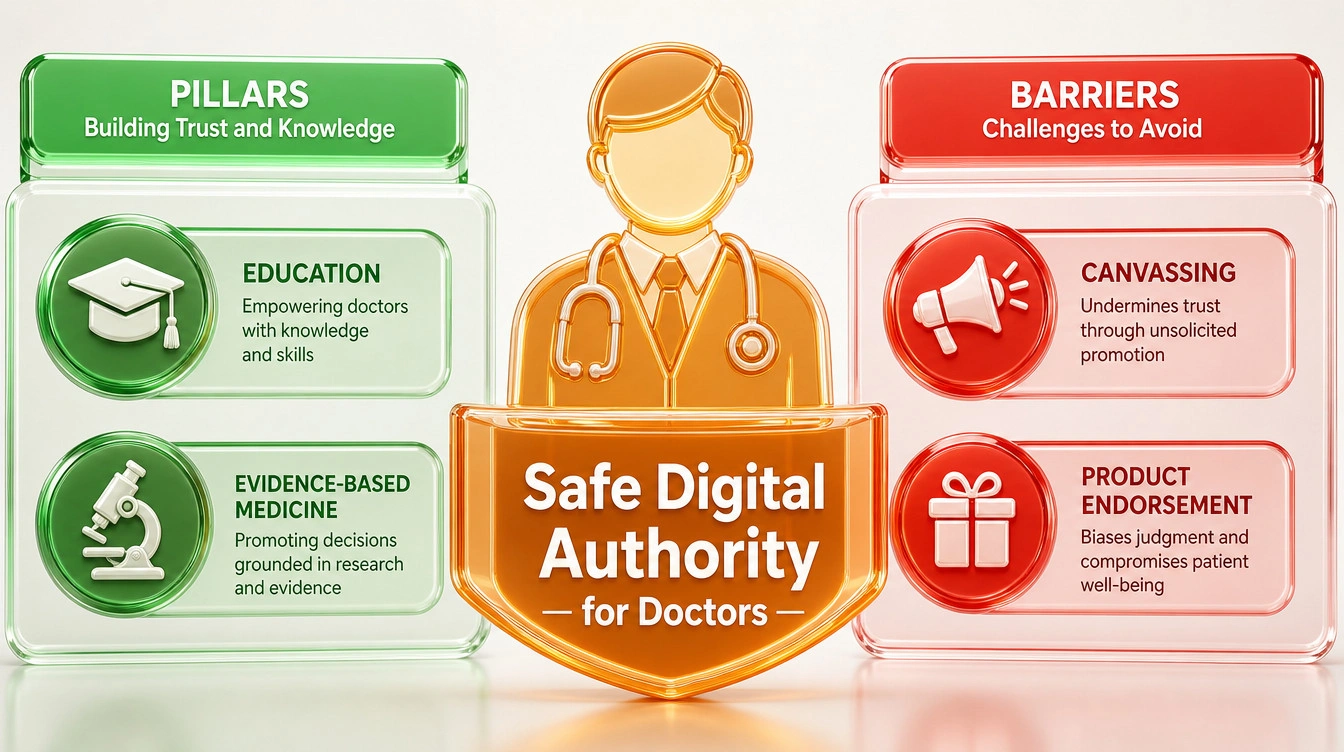
Google evaluates platforms using Experience, Expertise, Authoritativeness, and Trustworthiness (E-E-A-T). Build these metrics by featuring scientific articles authored by your registered practitioners. Ensure these posts stick strictly to objective medical facts and display the author’s registration details without promotional calls-to-action. Combine this authoritative on-site structure with thorough Google Business Profile optimisation to capture local search intent safely.
Q: Can clinicians post educational medical insights on TikTok or Instagram?
A: Yes. Registered medical professionals can share evidence-based insights online, provided the material remains strictly educational and does not solicit patients or promote a specific private practice.
Frequently Asked Questions
Next Steps
- Request a comprehensive SEO audit to scan your existing pages for compliance vulnerabilities and performance gaps.
- Complete an asset audit to remove all patient testimonials or reviews that comment on clinical treatment efficacy.
- Establish a standardised internal production workflow that requires all fresh content to be vetted against current MAB and MMC frameworks before publishing.